
Table of Contents
Introduction: Balsamic Glazed Chicken in a Skillet
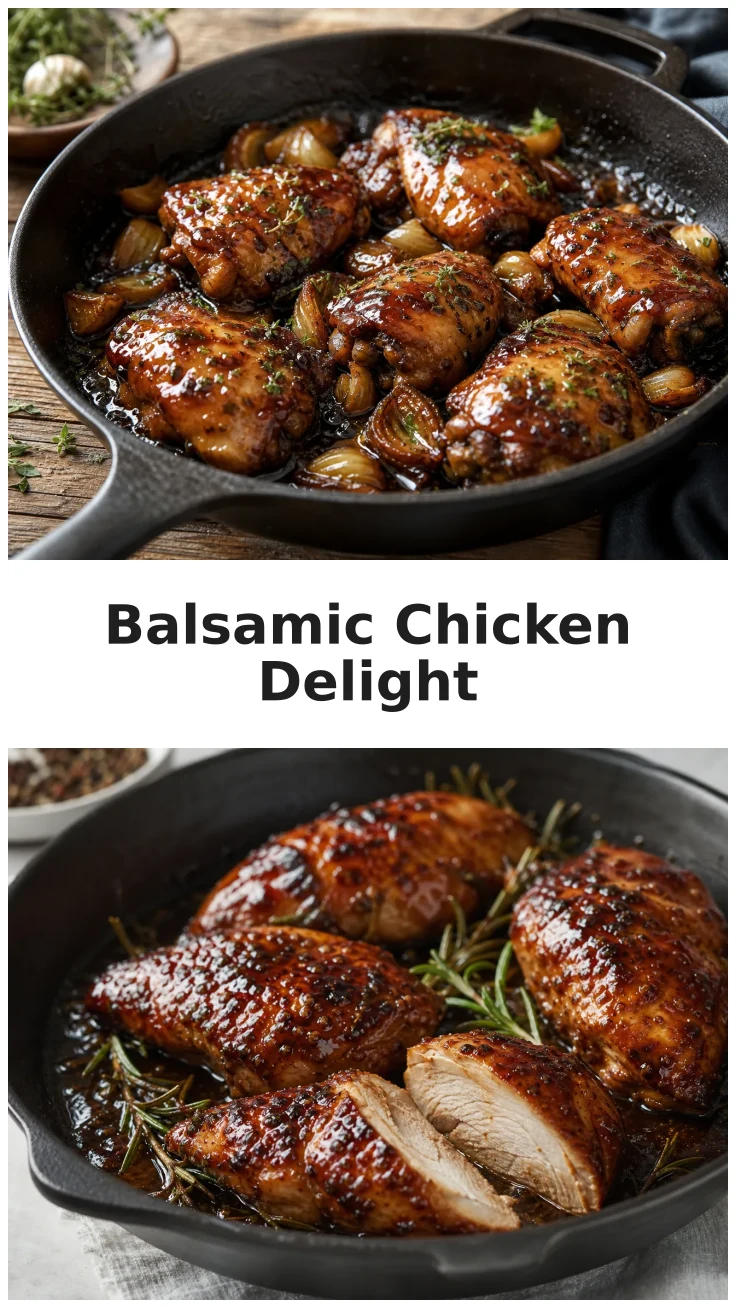
There’s nothing quite like the rich and tangy flavor of a good balsamic glaze enveloping tender, juicy chicken. Our Balsamic Glazed Chicken in a Skillet is designed to be the perfect dinner for busy weeknights, offering a balance of simplicity and sophistication that’s sure to please the entire family. The key to this dish is in the searing of the chicken, which locks in moisture and adds a delightful crust, while the balsamic glaze provides a glossy finish that’s both sweet and savory. For more inspiration, check out Skillet Chicken Bites.
Why You’ll Love This Recipe
This recipe is tailored for ease and flavor. It requires minimal preparation and uses simple ingredients you likely have in your pantry. The result is a dish that tastes like it took far longer to prepare than it actually did. Plus, the use of a single skillet means fewer dishes to wash, making it an ideal choice for those hectic evenings when time is of the essence.
Perfect for Busy Weeknights
The beauty of this skillet balsamic chicken recipe lies in its efficiency. With just a few steps and a handful of ingredients, you can create a meal that feels special but is practical enough to serve any day of the week. The combination of a quick sear and a rich glaze ensures that each bite is packed with flavor, providing a restaurant-quality experience at home.

Love easy chicken dinners like this? 🍗
Get new chicken recipes, comfort food and family dinner ideas in your inbox every week. Free, no spam, unsubscribe anytime. See our Privacy Policy.
Ingredients
Essential Ingredients
For this recipe, you’ll need skinless, boneless chicken breasts, balsamic vinegar, honey, garlic, and a touch of olive oil. These ingredients come together to create a deliciously sticky glaze that enhances the natural flavors of the chicken.
Optional Additions
To add a bit of variety or extra flavor, consider including fresh herbs like rosemary or thyme. You might also incorporate vegetables such as cherry tomatoes or asparagus, which can be cooked alongside the chicken for a complete meal.
Step-by-Step Instructions
Preparing the Chicken
Begin by seasoning the chicken breasts with salt and pepper. Heat olive oil in a skillet over medium-high heat, then add the chicken. Sear each side for about 4-5 minutes until browned, then remove and set aside.
Making the Balsamic Glaze
In the same skillet, add minced garlic and cook until fragrant. Stir in balsamic vinegar and honey, simmering until the mixture thickens slightly. Return the chicken to the skillet, spooning the glaze over the top.
Cooking in the Skillet
Lower the heat to medium and cover the skillet. Allow the chicken to cook through, about 10-15 minutes, ensuring it reaches an internal temperature of 165°F. The glaze should be glossy and coat the chicken thoroughly.
Pro Tips
For the best results, follow these simple tips:
- Use a heavy-bottomed skillet to ensure even heat distribution.
- Don’t overcrowd the pan; cook in batches if necessary.
- Let the chicken rest for a few minutes before serving to allow juices to redistribute.
- Adjust the sweetness of the glaze by adding more or less honey based on your preference.
Achieving the perfect sear is crucial for locking in the juices and creating a delicious crust. Ensure the skillet is hot before adding the chicken to prevent sticking and to develop a nice color.
Love easy chicken dinners like this? 🍗
Get new chicken recipes, comfort food and family dinner ideas in your inbox every week. Free, no spam, unsubscribe anytime. See our Privacy Policy.
Serving Suggestions
Pairing with Sides
This balsamic chicken pairs beautifully with a variety of sides. Consider serving it with a fresh green salad, garlic mashed potatoes, or even Skillet Chicken Rice for a complete meal.
Wine and Beverage Pairings
A crisp white wine like a Sauvignon Blanc complements the tangy balsamic glaze perfectly. Alternatively, a light iced tea or sparkling water with a splash of lemon can also enhance your dining experience. For more dinner ideas, explore the Chicken Tomato Pasta Skillet.
Nutritional Information
Calories and Macros
Each serving of this balsamic chicken provides approximately 320 calories, with a balanced profile of carbohydrates, proteins, and fats. It’s a wholesome option for those looking to maintain a healthy diet without compromising on flavor.
Health Benefits
Balsamic vinegar is known for its health benefits, including lowering cholesterol and aiding digestion. Combined with lean chicken breast, this recipe is not only delicious but also supports a nutritious lifestyle. For a baked alternative, check out our Oven Balsamic Chicken.


Glossy Skillet Balsamic Chicken

Equipment
- 1 large skillet
- 1 Tongs
- 1 meat thermometer
Ingredients
Main Ingredients
- 4 boneless skinless chicken breasts
- 2 tbsp olive oil
- 1/2 cup balsamic vinegar
- 2 tbsp honey
- 2 cloves garlic minced
- Salt and pepper to taste
Optional Additions
- 1 tbsp fresh rosemary chopped
- 1 cup cherry tomatoes halved
Instructions
Preparation
- Season chicken breasts with salt and pepper. Heat olive oil in a skillet over medium-high heat. Add chicken and sear for 4-5 minutes on each side until browned. Remove from skillet and set aside.
- In the same skillet, add garlic and cook until fragrant. Stir in balsamic vinegar and honey, simmering until slightly thickened.
- Return chicken to the skillet and spoon glaze over it. Lower heat and cover, cooking for 10-15 minutes until the chicken is cooked through and reaches an internal temperature of 165°F.
Serving
- Let the chicken rest for a few minutes before slicing. Serve hot, garnished with fresh rosemary and cherry tomatoes if desired.
Storage
- Place any leftovers in an airtight container and refrigerate for up to 3 days. Reheat gently in a skillet or microwave before serving.
Notes
FAQ
Can I use chicken thighs instead of breasts?
Yes, chicken thighs can be used in place of breasts in this recipe. They may take slightly longer to cook, so ensure they reach an internal temperature of 165°F. Thighs tend to be juicier and more forgiving if overcooked, making them a great alternative.
What can I use instead of balsamic vinegar?
If you don’t have balsamic vinegar, you can substitute with a mix of red wine vinegar and a teaspoon of sugar to mimic the sweetness and acidity. However, balsamic vinegar is recommended for the best flavor profile in this dish.
Enjoyed this recipe? Leave a review!
There are no reviews yet. Be the first one to write one.