
Table of Contents
Introduction: Taiwanese-Style Deep Fried Chicken
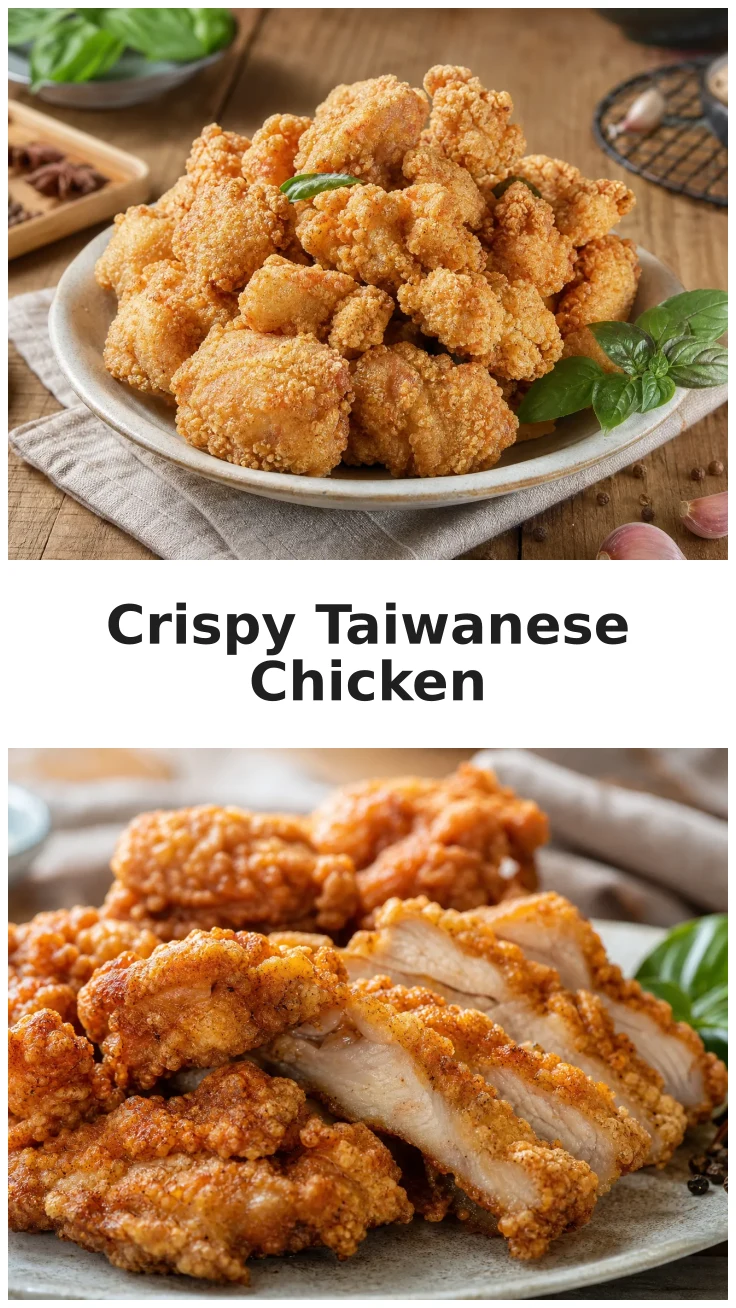
The allure of Taiwanese-style deep fried chicken is undeniable. Known for its crispy exterior and juicy interior, this dish is a staple in Taiwan’s vibrant street food scene. Whether you’re a seasoned chef or a novice in the kitchen, our comprehensive guide will help you recreate this beloved Asian fried chicken at home.
Taiwanese chicken has become a favorite for many, thanks to its unique marinade and distinct fried chicken seasoning that infuses each piece with flavor. In this article, we’ll explore the origins of this delightful dish, the ingredients you’ll need, and pro tips for achieving that perfect crispiness.
The Origins of Taiwanese Fried Chicken
Taiwanese fried chicken has its roots in the night markets of Taiwan, where it is served as a popular street food. The dish gained popularity in the 1970s and has since become a staple, loved for its bold flavors and satisfying crunch. The influence of Japanese karaage, combined with local flavors, has resulted in a unique culinary masterpiece that is both comforting and exciting.
Why It’s a Favorite Street Food
Part of the charm of Taiwanese fried chicken lies in its versatility and the cultural experience it offers. As a street food, it is often served in paper bags, allowing customers to indulge while exploring the bustling markets. Its popularity has spread beyond Taiwan, captivating taste buds around the world with its irresistible combination of spices and texture.

Love easy chicken dinners like this? 🍗
Get new chicken recipes, comfort food and family dinner ideas in your inbox every week. Free, no spam, unsubscribe anytime. See our Privacy Policy.
Ingredients
Essential Ingredients for Authentic Flavor
To achieve authentic Taiwanese flavors, you’ll need a blend of spices and ingredients that are staples in Taiwanese cooking. Key components include soy sauce, garlic, ginger, and five-spice powder. These ingredients form the backbone of the Taiwanese chicken marinade, imparting a rich and savory profile to the chicken.
Substitutes for Common Allergens
If you’re accommodating dietary restrictions, there are several substitutes you can use without sacrificing flavor. For a gluten-free option, replace soy sauce with tamari. Those with garlic allergies can opt for garlic-infused oil to capture the essence without direct exposure. These alternatives ensure everyone can enjoy this crispy chicken recipe.
Step-by-Step Instructions
Preparing the Marinade
Start by preparing the marinade, which is crucial for infusing the chicken with flavor. Combine soy sauce, minced garlic, grated ginger, and five-spice powder in a bowl. Add the chicken pieces, ensuring they are well-coated. Allow the chicken to marinate for at least 30 minutes to absorb the flavors fully.
Frying to Perfection
Once marinated, coat the chicken pieces in a mixture of cornstarch and potato starch for that signature crunch. Heat oil in a deep fryer or large pot to 350°F. Fry the chicken in batches to prevent overcrowding, ensuring even cooking. Each piece should take about 5-7 minutes to achieve a golden brown color.
Tips for Maintaining Crispiness
To maintain the crispiness of your Taiwanese chicken, drain excess oil by placing the fried pieces on a wire rack. Avoid stacking them, as this can trap steam and soften the coating. Serve immediately to enjoy the best texture.
Pro Tips
Mastering the art of deep fried Taiwanese chicken involves a few key considerations. Here are some expert tips to help you achieve restaurant-quality results.
- Choose a high smoke point oil like peanut or canola for frying to ensure the chicken cooks evenly without burning.
- Maintain a consistent oil temperature between batches to prevent soggy chicken.
- Use a meat thermometer to check that the internal temperature of the chicken reaches 165°F.
- Consider double frying for an extra crispy texture, allowing the chicken to rest for a few minutes between fryings.
The most important tip is to keep the oil at a steady 350°F. This ensures that the chicken cooks through without absorbing too much oil, keeping it light and crisp.
Love easy chicken dinners like this? 🍗
Get new chicken recipes, comfort food and family dinner ideas in your inbox every week. Free, no spam, unsubscribe anytime. See our Privacy Policy.
Serving Suggestions
Pairing with Dipping Sauces
Enhance the flavors of your Taiwanese fried chicken by serving it alongside a variety of dipping sauces. Traditional options include sweet chili sauce, garlic soy sauce, or a tangy plum sauce. Each sauce adds a different dimension, complementing the savory notes of the chicken.
Side Dishes to Complement the Meal
For a complete meal, pair your crispy chicken with sides like steamed rice, stir-fried vegetables, or a light salad. These accompaniments balance the rich flavors of the chicken, creating a satisfying and well-rounded dining experience.
Nutritional Information
Caloric Breakdown
A typical serving of Taiwanese fried chicken provides approximately 320 calories, making it a hearty option for a meal. The balance of protein and fats ensures it is both filling and satisfying, ideal for a family dinner.
Macronutrient Content
Each serving contains about 25g of protein, 18g of fat, and 20g of carbohydrates. These macronutrients come together to provide energy and sustenance, making this dish a delicious and practical choice for a busy weeknight.

Crispy Deep Fried Taiwanese Chicken

Equipment
- 1 deep fryer or large pot for frying
- 1 Mixing bowl for marinade
- 1 wire rack for draining
Ingredients
Marinade
- 1/4 cup soy sauce
- 2 cloves garlic minced
- 1 tablespoon grated ginger
- 1 teaspoon five-spice powder
Chicken
- 2 pounds chicken thighs boneless and skinless, cut into pieces
Coating
- 1 cup cornstarch
- 1/2 cup potato starch
For Frying
- Peanut or canola oil for frying
Instructions
Preparation
- In a mixing bowl, combine soy sauce, minced garlic, grated ginger, and five-spice powder. Add the chicken pieces and mix well to coat. Cover and marinate in the refrigerator for 30 minutes.
- In a separate bowl, mix together the cornstarch and potato starch. Set aside for coating the chicken.
- In a deep fryer or large pot, heat the oil to 350°F. Maintain this temperature for consistent frying results.
- Remove the chicken from the marinade. Dredge each piece in the starch mixture, ensuring an even coating.
Cooking
- Carefully place the coated chicken pieces in the hot oil. Fry in batches for 5-7 minutes or until golden brown and fully cooked.
- Transfer the fried chicken to a wire rack to drain excess oil. Serve immediately for the best texture.
Serving
- Serve with dipping sauces such as sweet chili or garlic soy sauce for added flavor.
Storage
- Store any leftovers in an airtight container in the refrigerator for up to 3 days. Reheat in the oven to maintain crispiness.
Notes
Ingredient Substitutions: Soy sauce can be replaced with tamari for a gluten-free option. Use garlic-infused oil for garlic allergies.
How to Serve: Pair with sweet chili sauce or a garlic soy dip. Serve with rice or salad for a complete meal.
Storage & Freshness: Store in an airtight container in the refrigerator for up to 3 days. Reheat in the oven.
Make-Ahead Tips: Marinate the chicken a day in advance for deeper flavor penetration.
FAQ
Can I use chicken breasts instead of thighs?
Yes, chicken breasts can be used instead of thighs. However, thighs are preferred due to their higher fat content, which helps keep the meat juicy and flavorful. If you choose to use chicken breasts, be mindful not to overcook them as they tend to dry out quicker than thighs. Adjust the frying time accordingly to ensure they remain tender and moist.
What is the best way to reheat Taiwanese fried chicken?
To reheat Taiwanese fried chicken while keeping it crispy, it’s best to use an oven. Preheat your oven to 350°F and place the chicken on a baking sheet lined with a wire rack. Heat for about 10 minutes or until warmed through. Avoid microwaving as it can make the chicken soggy. This method ensures the chicken retains its crispy texture and delicious flavor.
Enjoyed this recipe? Leave a review!
There are no reviews yet. Be the first one to write one.